
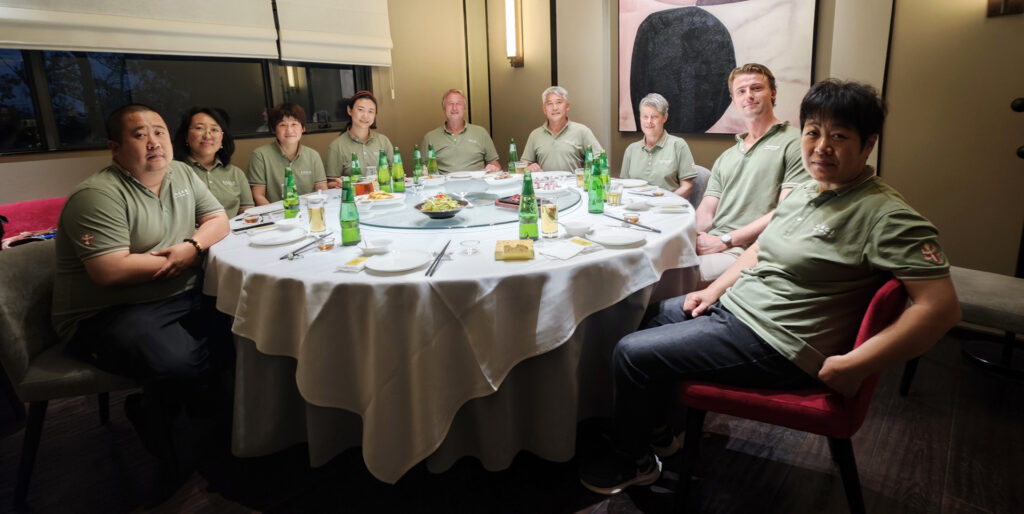
It’s hard to believe a year has passed since my first trip to China, and returning in May 2025, I was struck by both the familiar and the new. Once again, we had the opportunity to visit our organic strawberry farms and factory, observe the shifting economic landscape, and immerse ourselves in the rich traditions of Chinese business and hospitality. Find my thoughts on the trip below. All the best, Ynyr.
Our organic strawberry farms have flourished this season, thanks to improved soil conditions and a mild, prolonged spring. The cooler temperatures and our water reserves allowed the plants to produce fruit over an extended period, resulting in an excellent crop. It’s also rewarding to see how well our own variety is performing as unfortunately many in Shandong province have had unsatisfactory harvests.
The factory has undergone significant upgrades, including more mechanisation, streamlined processes, and expanded capacity. I’ll save the details for a dedicated post but expect to see lots of new shiny stainless steel!
No business trip to China would be complete without the ritual of shared meals. My absolute favourite is hot pot, especially spicy Szechuan style, where you cook tasty morsels in a broth simmering on a hot element. But beyond the delicious food, these banquets are governed by deep-rooted traditions.
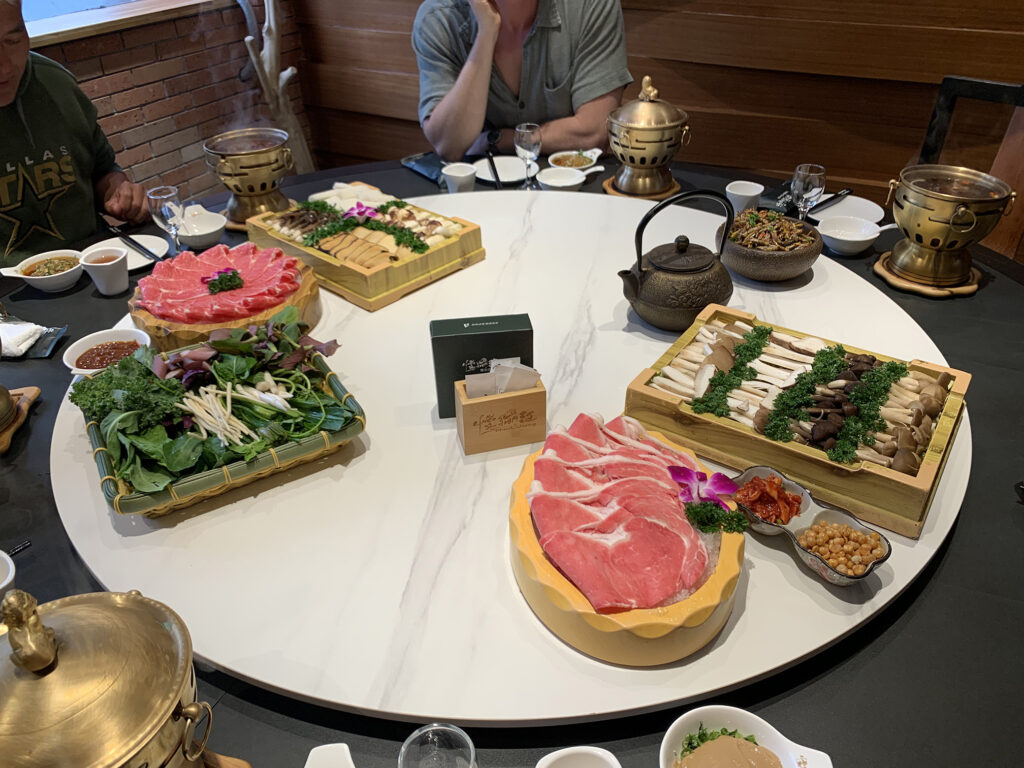
According to Confucian etiquette, seating arrangements and speeches follow a strict hierarchy. The host (usually the most senior local representative) typically sits facing the door, a position of authority. The guest of honour is seated to the host’s right, with other guests arranged by seniority. Speeches follow a similar order with the host beginning, welcoming everyone, and the most important guest concluding with thanks and final remarks.
These rituals reinforce respect and harmony, key tenets of Chinese culture. Even in modern business settings, these customs remain prevalent, blending millennia-old traditions with contemporary commerce.
Conversations with our Chinese colleagues revealed a cautious but overall optimistic outlook. China has felt the effects of global economic headwinds, particularly due to ongoing tariff disputes with the United States. However, it seems that the Chinese hold the view that long term a mutual beneficial agreement can be reached. In not so sure the White House agrees that there’s such a thing as a win-win outcome. Interestingly, the more pressing issue domestically has been the real estate sector’s boom and resulting correction.
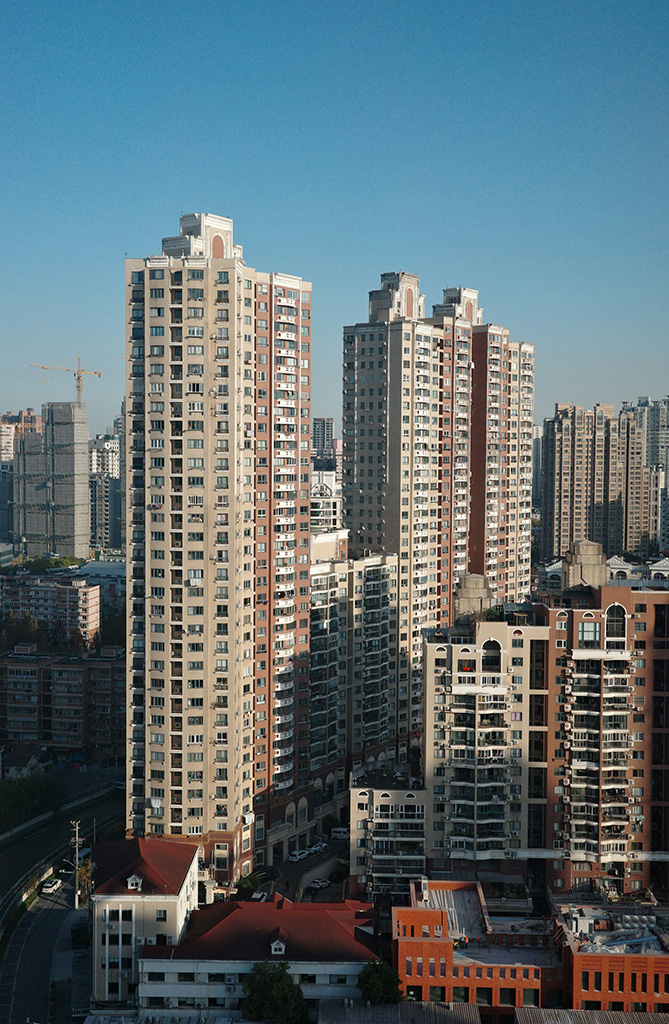
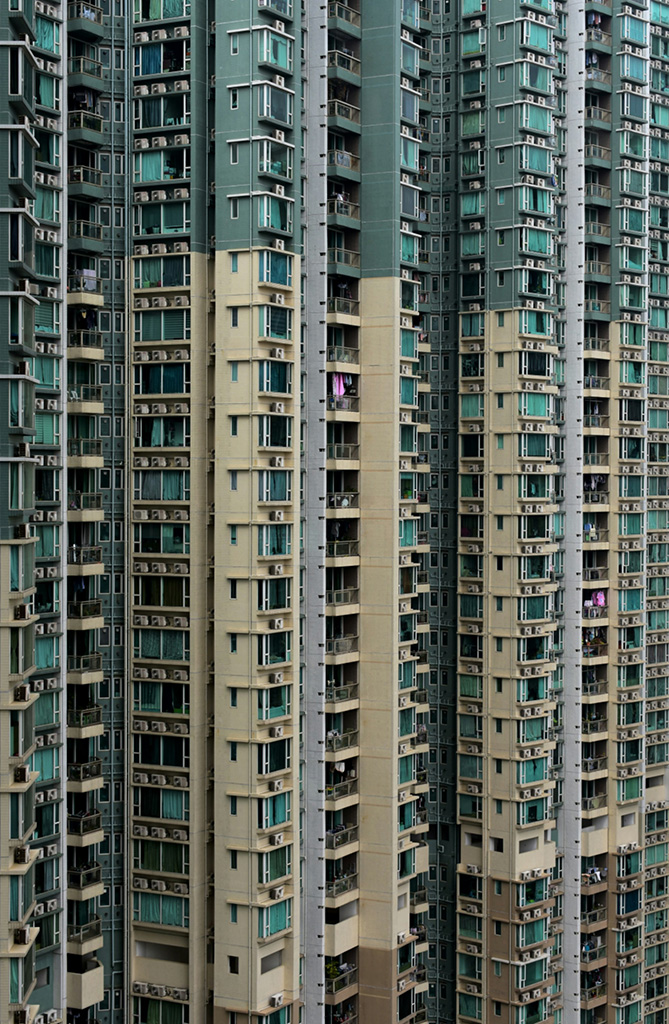
Over the past decade, China has experienced a construction frenzy, with developers rushing to cash in on government incentives and urbanisation policies. We witnessed the vestiges of this overexpansion from the car window. On the outskirts of Qingdao, there are clusters of barely occupied apartment blocks, and it seems this is true of many Chinese cities. Rapid expansion fueled by easy credit led to this oversupply and massive developers like Evergrande, and Country Garden have faced defaults on their debt obligations. The government has been working to stabilise the market, promoting affordable housing and stricter lending regulations. While the slowdown is noticeable, there’s a sense that China’s economy is resilient and adapting to the slower growth phase.
Taking the bullet train from Qingdao to Shanghai offered a fascinating glimpse into China’s countryside. The landscape was a patchwork of winter wheat fields and small, intensively cultivated vegetable plots, evidence of China’s traditionally labour-intensive farming model. Most farms are modest in size, often managed by collectives of villagers pooling resources. Occasionally, larger commercial farms appear, a reminder of the shift toward modernisation (as we’ve seen in our previous post on large-scale blueberry cultivation).
Another observation was the upgrading of rural homes on the far borders of Shanghai. Neatly painted three-storey houses with white walls and grey rooves stood in orderly rows. Their uniformity made me wonder: are these privately financed or government-led revitalisation? On researching it appears both, the government has indeed been investing in improving rural living standards, with subsidies and infrastructure projects aimed at reducing the urban-rural divide. It was interesting to look at apartment adverts in the window of the real estate agent in Shanghai. A very modest apartment is comparable to London prices. While perhaps expected in a tier 1 city, it’s a stark contrast to how relatively cheap goods and utilities are.
This second trip has deepened my appreciation for China’s dynamic balance between tradition and progress. I’m looking forward to witnessing how it continues to tread this path over the coming years.